
Building a home theater doesn’t require a massive budget or technical expertise. With a few smart choices and a clear plan, you can enjoy immersive movie nights or gaming sessions right at home, no matter your space or spending limit.
Start With Your Screen: TV or Projector?
The display is the centerpiece of your home theater, so think carefully about your viewing habits, room size, and budget. For most people, a 4K UHD TV delivers sharp visuals and supports Dolby Vision and Atmos, making it a strong baseline. Prices range from under $300 for entry-level models to thousands for premium screens. If you want a bigger image or flexibility—especially in a multipurpose space—a projector is worth considering. Entry-level projectors with WiFi and Bluetooth can stream content directly, saving on extra hardware. Projectors work best in darker rooms and require a flat wall or dedicated screen. Avoid high-gain screens to prevent uneven brightness, especially if your seating is off-center.
 Check out this product →
Audio: Why a Soundbar Is Often Enough
Sound is just as important as picture quality, but you don’t need to invest in a full surround system to get a huge upgrade over your TV’s built-in speakers. A soundbar is a simple, affordable solution that suits most living rooms or apartments. Look for features like built-in subwoofers, surround sound expansion, and voice enhancement modes, which help dialogue cut through background noise. Many soundbars can be controlled with your TV remote for convenience. While dedicated speaker systems offer more precise sound placement, a quality soundbar covers the basics and is easy to set up—just plug in and position it under your screen.
 Check out this product →
Receivers: The Backbone of Advanced Setups
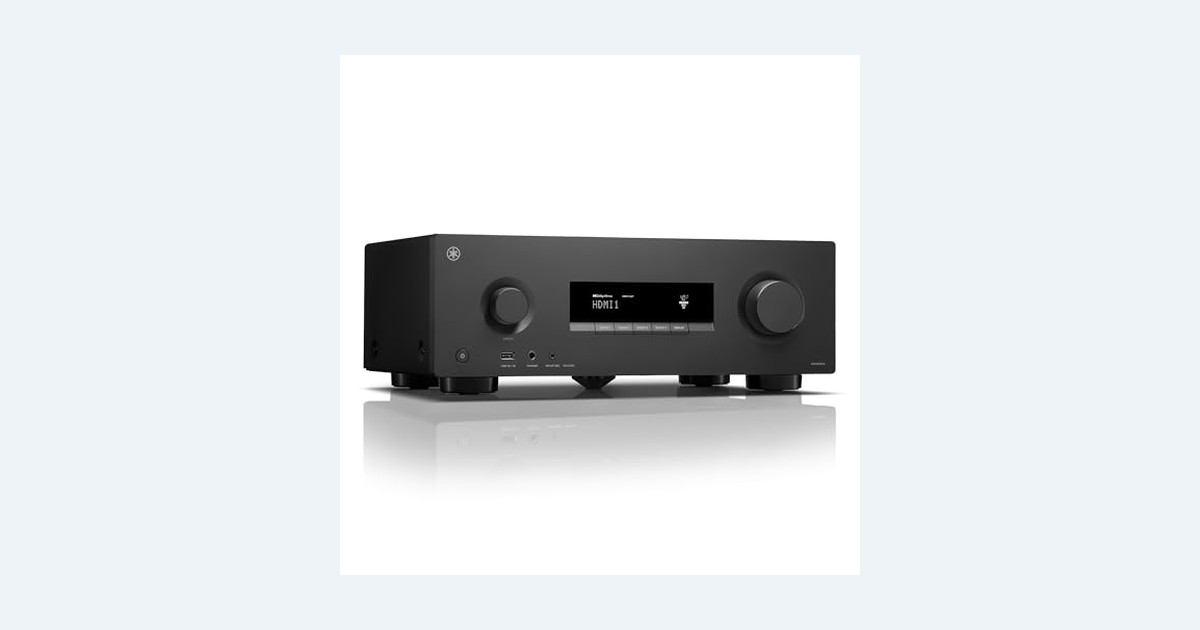
If you want true surround sound or plan to expand your system over time, a receiver is essential. Modern AV receivers decode advanced formats like Dolby Atmos and DTS-HD Master Audio, and offer multiple HDMI inputs for connecting game consoles, streaming devices, and Blu-ray players. Entry-level receivers typically provide 5.1 channels—enough for most rooms—while higher-end models offer more. Power ratings range from 50 to 100 watts per channel, suitable for everything from apartments to dedicated media rooms. Bluetooth multipoint lets you stream audio from multiple devices, and HDMI 2.1 ensures compatibility with 4K and 8K sources.
 Check out this product →
Speakers: Build Up Over Time
Speaker selection depends on your budget and how immersive you want your experience to be. Start with front left and right speakers if you’re piecing together a system—these handle most music and dialogue. Add a center channel for clearer voices, surround speakers for effects, and a subwoofer for deep bass. Prices can vary widely, so focus on quality and compatibility with your receiver. Most people begin with a basic setup and add speakers as their budget allows. Placement matters: position speakers at ear level and angle them toward the listening area for best results.
Wiring, Placement, and Room Setup
Good wiring and thoughtful placement make a big difference. Use HDMI cables for video and digital audio connections, and keep cable runs tidy to avoid signal loss or tripping hazards. If you have wireless devices (like Bluetooth projectors or soundbars), setup is simpler and you can skip running cables across the floor. Room shape and furniture placement affect audio; soft furnishings help absorb sound, reducing echoes. Avoid placing speakers in corners, which can muddy bass. Experiment with seating distance and angle to find the sweet spot for your setup.
Final thoughts
Setting up a home theater is a process you can tailor to your budget and space. Start small—a soundbar or projector boosts your movie nights instantly. When you’re ready, expand with a receiver and speakers for deeper immersion. The right setup lets you enjoy cinematic audio and visuals without leaving home.